Floor Sanding and Polishing Sydney — Sydney licensed floor sanders Call 0468 165 354

Floor Sanding and Polishing Sydney — Timber Floor Restoration

Timber floors sanded, repaired and coated across greater Sydney — houses, terraces and strata apartments, including the acoustic underlay and approval paperwork your owners corporation will ask for. Licensed contractors, priced per square metre.

Quoted after a look, not over the phone
Licensed and insured operators
Written quote you keep

Talk it through

No obligation. Takes 30 seconds.

No obligation. Your details go to one licensed floor sander covering your suburb.

Timber floor services across Sydney

The jobs that come up most. Pick what's closest to your situation — or just tell us what's happening and we'll work it out.
See all 16 services

Why useFloor Sanding and Polishing Sydney

Licensed contractors who know the strata process, because in Sydney the approval is usually harder than the floor.

Licensed, and checkable

There's no specialist floor-sanding ticket in NSW, so what matters is a current contractor licence for general building work. Every contractor referred here holds one and the register is free to search.

They know the strata process

Approval before installation, the acoustic by-law, and the test report the owners corporation will ask for. Getting that order right is most of the job in an apartment.

They'll identify the timber first

Baltic pine, hardwood or engineered — they take stain differently and they have different amounts of life left. That's the first question on any old Sydney floor.

A firm price per square metre

Measured and quoted properly, with coats and any acoustic work itemised separately.

Not sure which of those you need?

Tell us what the floor is doing and we will point you at the right one.

What Sydney floors actually need

Three things shape a floor job in Sydney, and two of them are about permission rather than timber.

In a strata building, the approval comes before the sander

Under the Strata Schemes Management Act 2015, replacing carpet with timber or any other hard floor is a minor renovation — which means you need approval from the owners corporation by ordinary resolution before the work starts, with fourteen days' written notice of the meeting. Some schemes have registered a by-law delegating that decision to the strata committee, which is faster. Either way the sequence matters: owners who book the floor first and seek approval afterwards are the ones who end up ripping it out. Sanding an existing timber floor you already have is a different question, and usually a much easier one.

Acoustic performance is what approval actually turns on

Objections to hard flooring are almost never about the timber. They are about the noise the neighbour below will hear. Most Sydney schemes have a by-law setting a minimum acoustic performance for hard floors, and those by-laws typically borrow the National Construction Code figure for floors between apartments — an impact rating of Ln,w no more than 62 in the lab, or LnT,w no more than 62 tested in the building. Meeting it is a matter of specifying the right acoustic underlay and producing the test report with your application. Read your scheme's by-law first, because some set a stricter number than the Code does.

Half of inner Sydney is standing on baltic pine

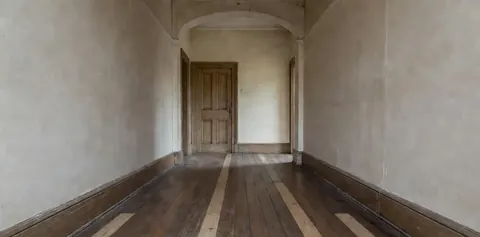
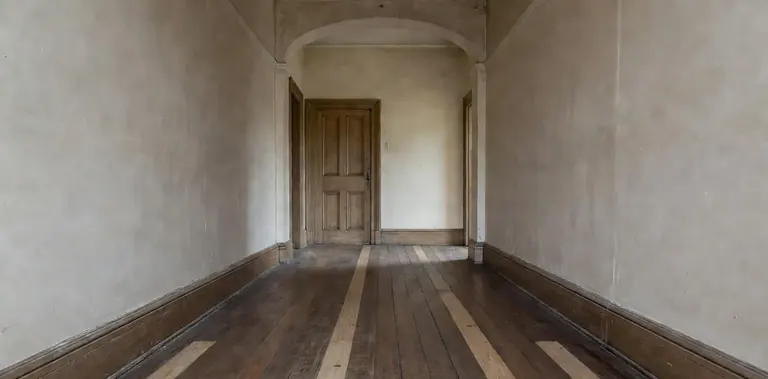
Terraces and Federation homes across Newtown, Glebe, Surry Hills, Balmain and Paddington were commonly floored in imported baltic pine rather than Australian hardwood. It is a softer timber, often narrower, frequently already sanded two or three times across a century, and it takes stain very differently from the tallowwood and blackbutt used later. Treating a baltic pine floor like hardwood is how they get ruined. The first job on any old inner-west floor is establishing what the timber actually is and how much of it is left.

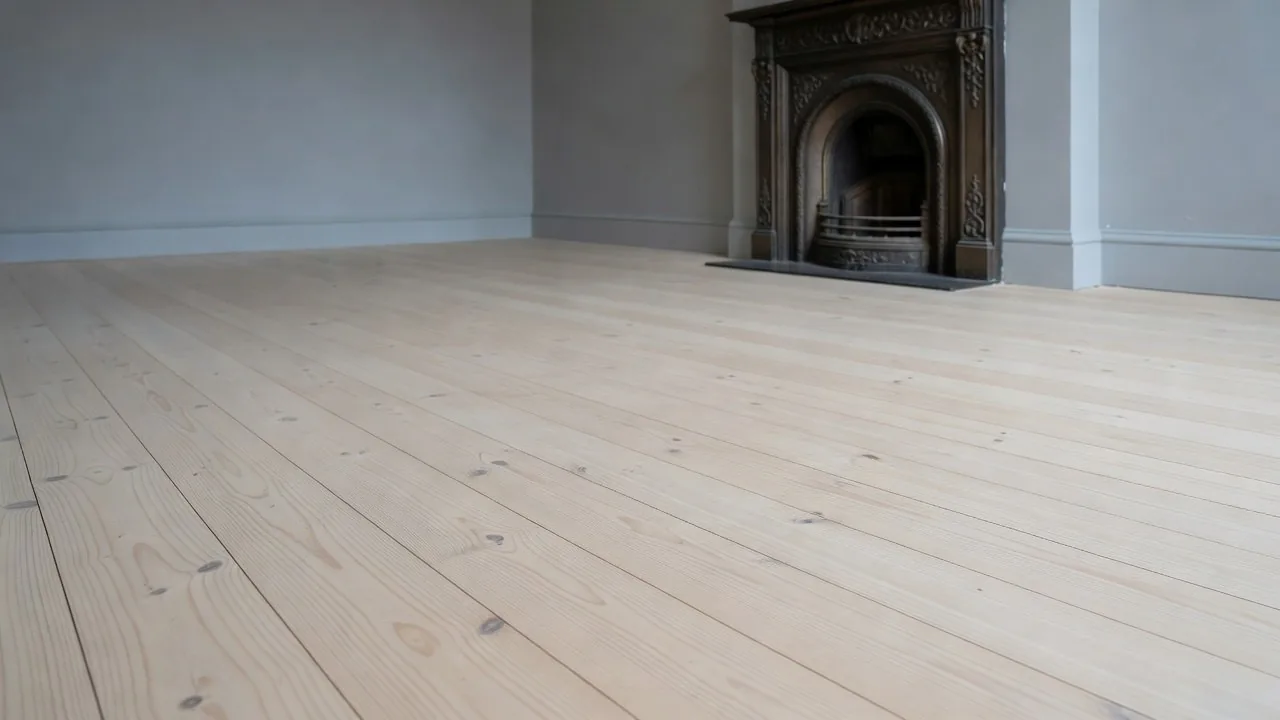
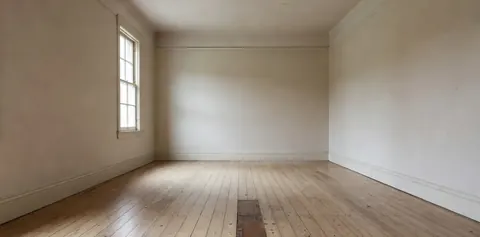
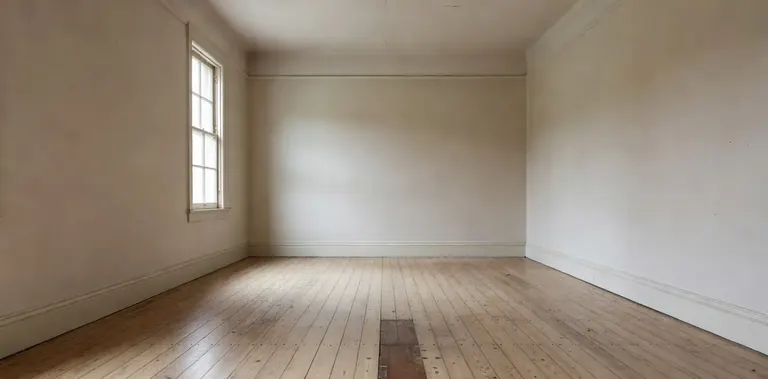
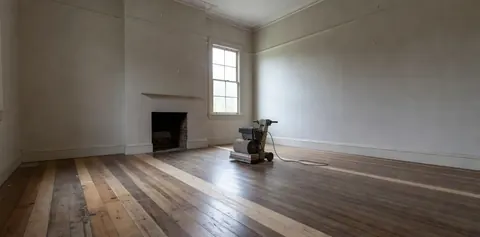
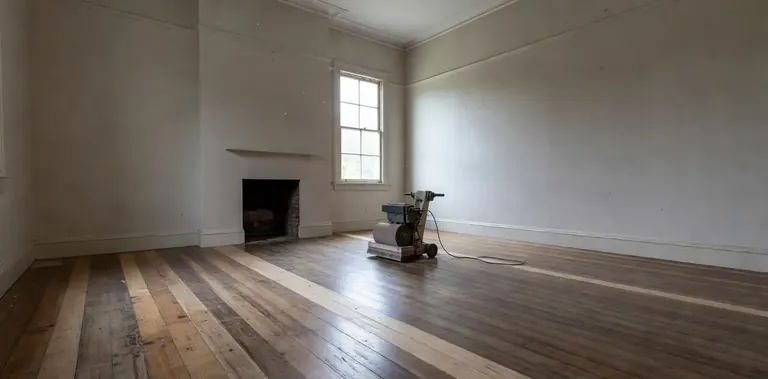
A sanded baltic pine floor in a Sydney terrace

The thread running through all three is that a Sydney floor job is rarely just about timber. It's about what your building will let you do, what the neighbour below will hear, and how much of a hundred-year-old floor is actually left.

The work itself,start to finish

Sanding, coating, board repairs, parquetry and strata work — the jobs that make up most of a week across Sydney.

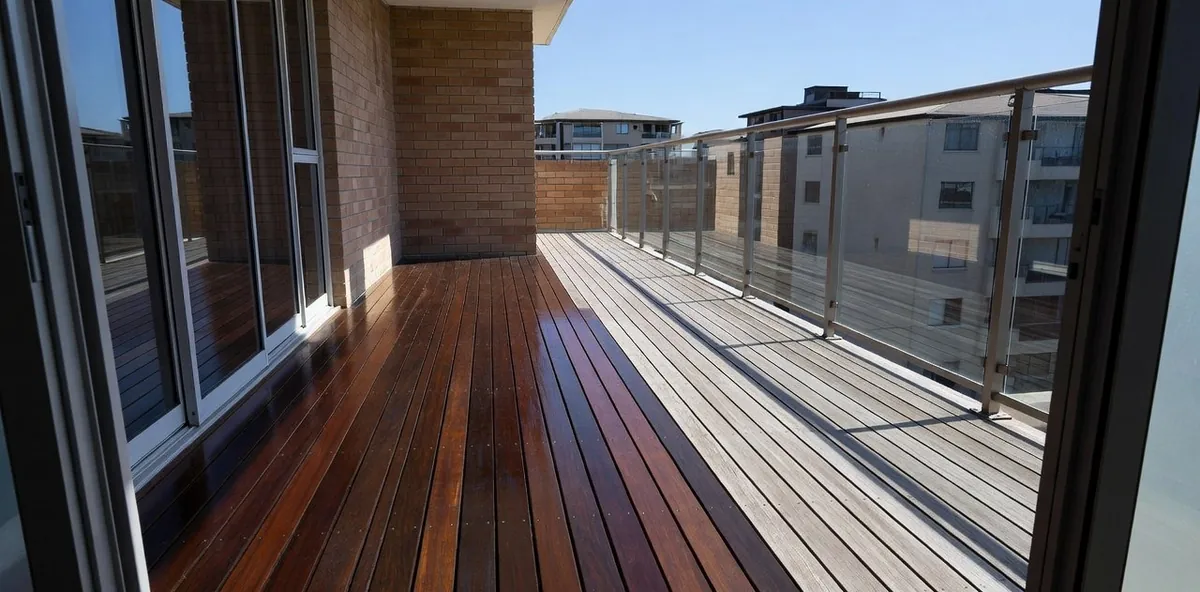
Timber floor work in Sydney — acoustic underlay v2 480w a7a9bd4fTimber floor work in Sydney — acoustic underlay v2 768w 86c1412bTimber floor work in Sydney — acoustic underlay v2Timber floor work in Sydney — baltic pine floors v2 480w 08c07dc6Timber floor work in Sydney — baltic pine floors v2 768w b64b11caTimber floor work in Sydney — baltic pine floors v2Timber floor work in Sydney — engineered timber floors v2 480w 20fd2e30Timber floor work in Sydney — engineered timber floors v2 768w d7182d1bTimber floor work in Sydney — engineered timber floors v2Timber floor work in Sydney — floor coatings and finishes v2 480w ee0fb562Timber floor work in Sydney — floor coatings and finishes v2 768w ea8955d7Timber floor work in Sydney — floor coatings and finishes v2Timber floor work in Sydney — floor polishing v2 480w ce5f0105Timber floor work in Sydney — floor polishing v2 768w 85fdbbccTimber floor work in Sydney — floor polishing v2Timber floor work in Sydney — floor recoating v2 480w f1f63a88Timber floor work in Sydney — floor recoating v2 768w 94898234Timber floor work in Sydney — floor recoating v2
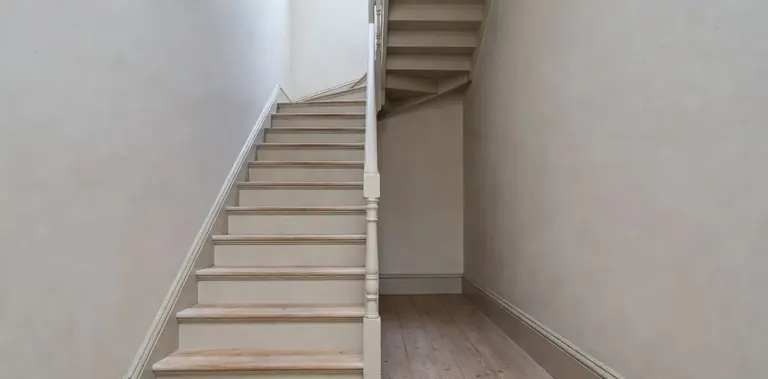
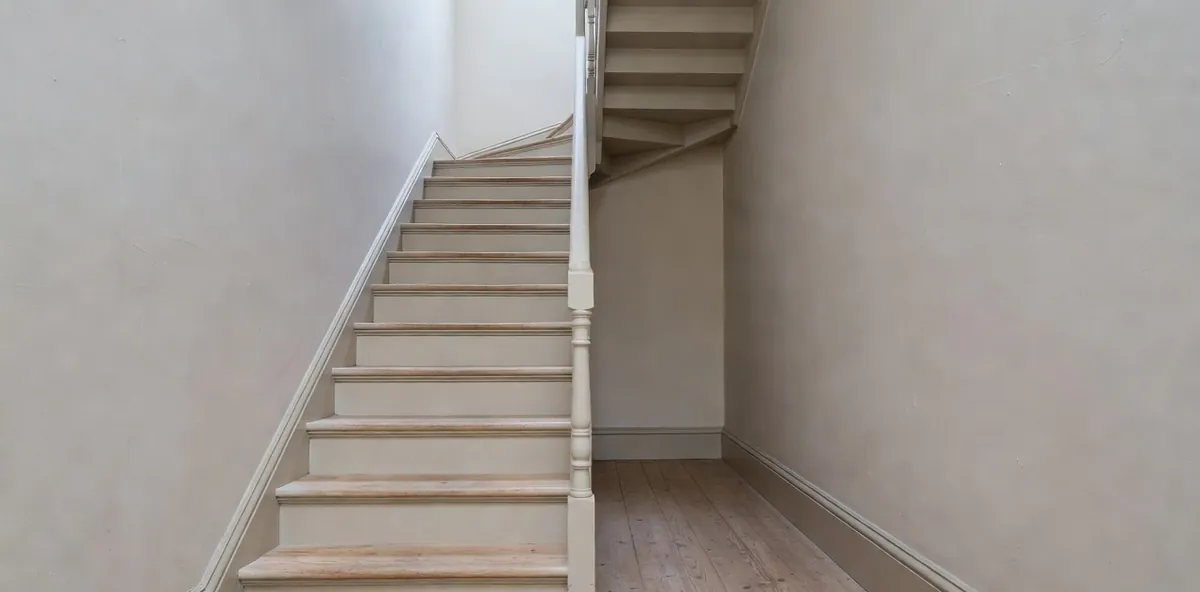
Timber floor work in Sydney — floor sanding v2 480w 6005e44eTimber floor work in Sydney — floor sanding v2 768w 7ff13aebTimber floor work in Sydney — floor sanding v2Timber floor work in Sydney — floorboard repairs v2 480w 0546ed21Timber floor work in Sydney — floorboard repairs v2 768w b9741557Timber floor work in Sydney — floorboard repairs v2Timber floor work in Sydney — parquetry restoration v2 480w 191c4d75Timber floor work in Sydney — parquetry restoration v2 768w 0d9763faTimber floor work in Sydney — parquetry restoration v2Timber floor work in Sydney — strata floor approval v2 480w 2b425c88Timber floor work in Sydney — strata floor approval v2 768w 8beeb523Timber floor work in Sydney — strata floor approval v2Timber floor work in Sydney — timber deck sanding v2 480w 372a51edTimber floor work in Sydney — timber deck sanding v2 768w 80c3f641Timber floor work in Sydney — timber deck sanding v2Timber floor work in Sydney — timber stair sanding v2 480w 6b6c83a5Timber floor work in Sydney — timber stair sanding v2 768w f82480b1Timber floor work in Sydney — timber stair sanding v2

How a timber flooris actually sanded

In a house, sanding a floor is a trade question. In an apartment it is a permission question first, and the acoustic specification is what the permission turns on.

01

The approval comes before the floor

Under s.110 of the Strata Schemes Management Act 2015, replacing carpet with a hard floor is a minor renovation needing approval by ordinary resolution of the owners corporation — with fourteen days' notice of the meeting.

Some schemes have registered a by-law delegating that decision to the strata committee, which is far quicker. Find out which yours is before you get quotes, not after you have paid a deposit.

02

The number your by-law is probably using

Objections are never about timber; they are about what the neighbour below will hear. Most Sydney flooring by-laws borrow the National Construction Code figure for floors between apartments: impact sound of Ln,w no more than 62 in a laboratory, or LnT,w no more than 62 tested in the building.

One thing to watch if you are reading older material or an old by-law: the Ci correction term was removed from the Code in 2016. Any specification still quoting 'Ln,w + Ci' is a decade out of date.

03

The rating belongs to the assembly, not the underlay

A product's stated figure comes from a laboratory build-up — a specific underlay, over a specific slab, with a specific ceiling below. Your building is not that build-up.

So swapping in a cheaper underlay of the same thickness does not carry the rating across, and a field test can come back differently from the lab number. Compliant acoustic underlay runs $25 to $60 a square metre supplied and laid, and a field test report is $400 to $1,200 where a by-law requires one.

04

Perimeter detailing is where compliant floors fail

Rigid contact between the floor and the wall, skirting or a doorframe bridges the isolation and undoes the underlay entirely. So do fixings driven through it.

The product is the easy part. This is why it is worth using someone who installs in strata regularly — the failures are almost never the material, they are the twenty millimetres at the edge of the room.

05

Re-sanding an existing floor is a different question

None of the above applies to re-sanding and recoating a hard floor that is already there and already approved. It does not change the acoustic performance the scheme signed off on, so it is normally treated as maintenance.

That is worth knowing before you assume you need a resolution. For an apartment owner, a recoat at $20 to $35 a square metre sidesteps the entire approval process.

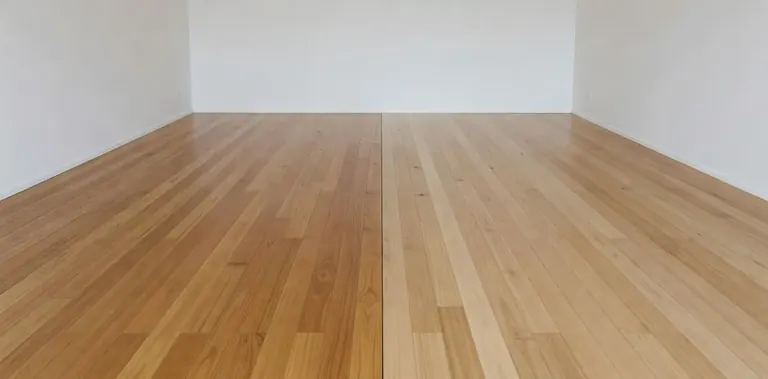
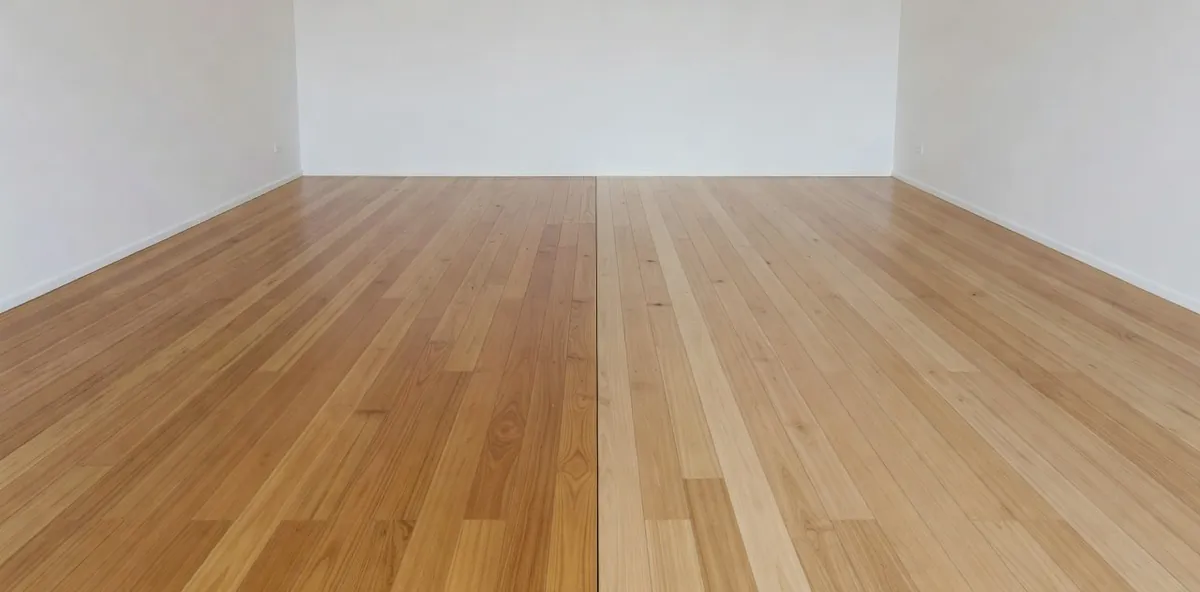
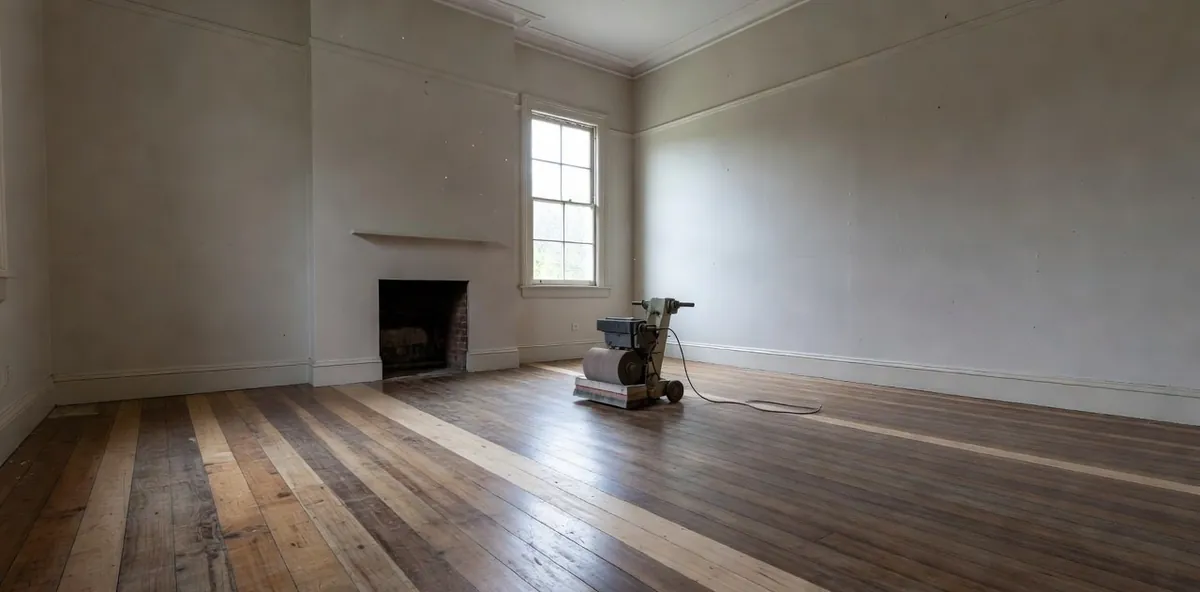
A drum sander part way across a hardwood floor, the sanded half visibly lighter than the unsanded half.

The moisture reading decides the timing

Sanding a floor that has not settled to the humidity of the house is the one mistake that cannot be sanded out afterwards. It is why a good operator measures before quoting a start date.

What does floor sanding cost in Sydney?

Sand and polish runs $40 to $70 a square metre — a three-bedroom home lands around $4,400 to $7,500, a two-bedroom apartment $2,800 to $4,900. Acoustic underlay for strata is a separate $25 to $60.

See the full price guide

How long does floor sanding take?

The sanding is days. In strata, the approval is weeks — and that is the part people fail to plan for.

Owners corporation approval2–8 weeksOrdinary resolution needs 14 days' notice plus a meeting. A committee-delegated by-law is much faster.
Sanding itself1–2 daysEdges and corners take disproportionately longer than the open floor.
Whole job, sand and three coats3–5 daysLess in an apartment than a house, simply because there is less floor.
Walk on it~24 hours after the last coatSocks only. Both finish types.
Furniture back48 hours water-based · ~72 hours solventLift it in, never drag. Felt pads before anything is set down.
Rugs down, full cure4–7 days water-based · up to 30 days solventA rug on uncured finish marks it permanently.

What makes a job take longer

In an apartment, solvent-based finishes are frequently the wrong choice regardless of durability — the smell travels through the building and generates complaints. Water-based is usually the sensible answer in strata for that reason alone.

Who's allowed to sand your floor — and are you allowed to have it?

Two separate sets of rules apply to a Sydney floor: who is allowed to do the work, and — if you are in a strata building — whether you are allowed to have the floor at all. People usually find out about the second one too late.

Approval is required for:

  • a **contractor licence** for any building or trade work valued over **$5,000** in labour and materials including GST — which a whole-floor sand comfortably exceeds
  • **Home Building Compensation Fund** cover on residential work valued at **$20,000 or more** including GST, taken out before work starts or any deposit is paid
  • **owners corporation approval** before replacing carpet with a hard floor in a strata lot — a minor renovation under s.110 of the Strata Schemes Management Act 2015, decided by ordinary resolution

Approval is not required for:

  • genuinely small work under $5,000 in total — a single room in a house, a patch repair
  • re-sanding and recoating a hard floor that is already in place and already approved, which changes nothing about the acoustic performance the scheme signed off on
  • an owner sanding their own floor in a freestanding house — though hire-shop drum sanders remove a startling amount of timber very quickly

The register is free and public — search the licence number before work starts. Working unlicensed carries fines of up to $22,000 for an individual and $110,000 for a company, and it matters to you because unlicensed work sits outside the statutory warranties and the compensation scheme. Source: City of Sydney. There's no floor-sanding licence class in NSW at all — it's general building work over $5,000. And in a strata lot, changing from carpet to timber needs owners corporation approval first.

Full permit rules explained

Areas we cover near Sydney

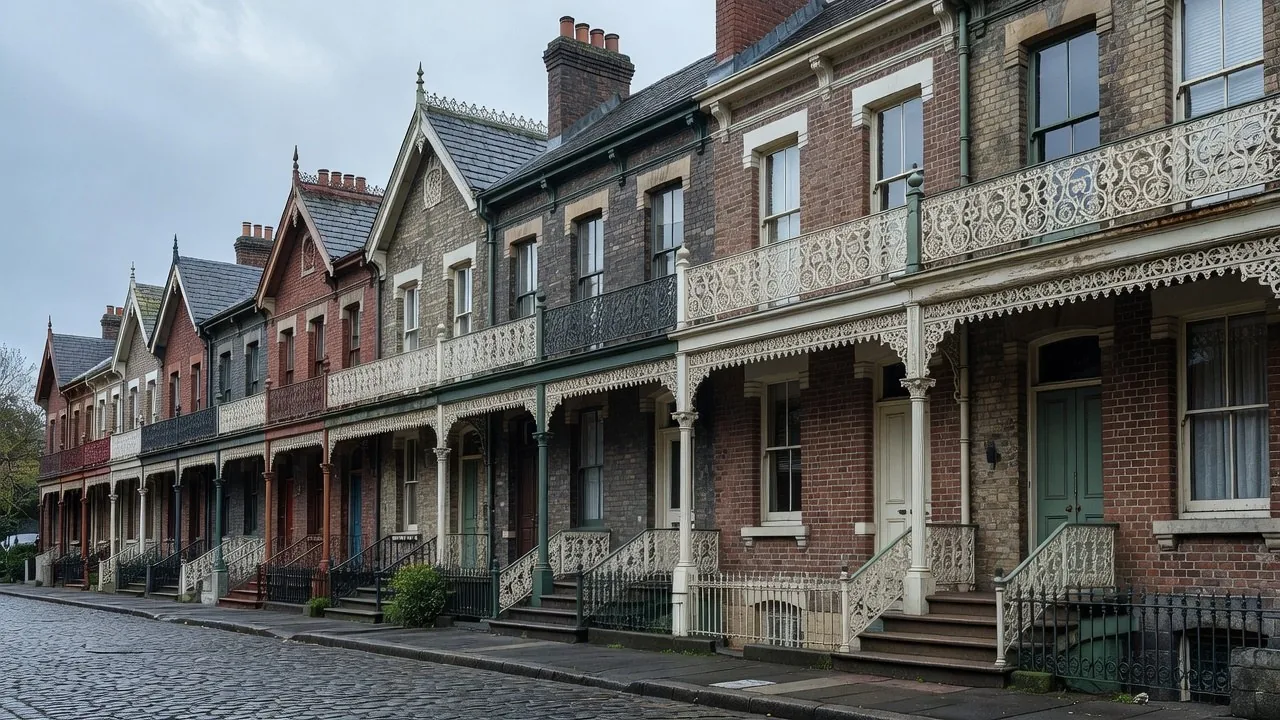
Coverage runs across greater Sydney — the inner-west and eastern terraces where the old boards are, the apartment stock through the CBD and lower north shore, and out to Parramatta and the Hills.

A row of Sydney terraces in an inner-west street
Sydney CBDSurry HillsDarlinghurstPaddingtonWoollahraRedfernNewtownErskinevilleGlebeAnnandaleLeichhardtBalmainRozelleMarrickvilleDulwich HillStanmorePetershamSummer HillAshfieldDrummoyneFive DockBondiBondi JunctionRandwickCoogeeMosmanNeutral BayCremorneLane CoveHunters HillChatswoodWilloughbyParramattaRydeBurwoodStrathfieldHornsbyManlyCronullaPenrith

Questions Sydney owners ask

Do I need strata approval to sand my existing timber floor?

Usually no. Re-sanding and recoating a hard floor that is already in place and already approved doesn't change the acoustic performance your scheme signed off on, so it's normally treated as maintenance. What does need approval is replacing carpet with a hard floor — that's a minor renovation under s.110 of the Strata Schemes Management Act 2015 and needs an ordinary resolution of the owners corporation. Check your by-laws either way; some schemes are stricter than the Act requires.

What acoustic rating does my strata scheme need?

Read the by-law, because the number is set there rather than by any single state-wide rule. Most Sydney schemes borrow the National Construction Code figure for floors between apartments — impact sound of Ln,w no more than 62 measured in a laboratory, or LnT,w no more than 62 tested in the building itself. Some schemes set a stricter figure. Your installer specifies an underlay that achieves it and supplies the test report with the application.

Do floor sanders need a licence in New South Wales?

There's no floor-sanding-specific licence here, unlike Queensland. It falls under general building work, which requires a contractor licence for anything valued over $5,000 in labour and materials including GST — so most whole-floor jobs. Licences come from Building Commission NSW, which took the function over from Fair Trading in 2025, and the register is free to search.

What is baltic pine and do I have it?

Imported softwood used widely in Sydney terraces and Federation homes, typically narrower boards and noticeably softer than Australian hardwood. If you're in an inner-west or eastern-suburbs terrace, it's likely. It matters because it's often been sanded two or three times already over a century, so there may be very little thickness left, and because it blotches with dark stain in a way hardwood doesn't.

How many times can a floor be sanded?

A solid hardwood floor typically has three to five full sands in it across its life. Old baltic pine in a terrace may have had most of that spent already. Engineered boards may allow one light sand or none. This is why a recoat is worth asking about where the timber is sound and only the finish is tired — it uses none of that remaining budget.

Do I need home warranty insurance for this?

If the work is residential and valued at $20,000 or more including GST, your contractor must hold Home Building Compensation Fund cover before starting or taking a deposit. Most single floor jobs land under that, but a large house or a floor plus other work can cross it. It's the contractor's obligation, not yours — but it's yours to check.

How long does it take and can we stay?

A typical three-bedroom home is three to five days including coats; an apartment is often less. You can usually stay if you can live around a closed-off area, but the finish needs curing time — light foot traffic after a day or so, rugs and heavy furniture considerably later. In a unit, check your building's permitted working hours before booking.

Do you cover Parramatta and the north shore?

Yes — greater Sydney, west to Parramatta and Penrith, north to Hornsby, and south to Cronulla. Licensing is set at state level so nothing changes across council boundaries. Strata by-laws, on the other hand, are specific to your individual building.

Get your floor looked at

Tell us the suburb, the rough area, and whether it's a house or an apartment.

Call 0468 165 354