Floor Sanding and Polishing Sydney connects Sydney and greater Sydney property owners with qualified, connects Sydney property owners with licensed local floor sanders for engineered floors. Tell us the rough floor area and whether you're in a house or an apartment and we'll match it to a licensed contractor covering your suburb. Firm per-square-metre price after an inspection.
The number that decides it
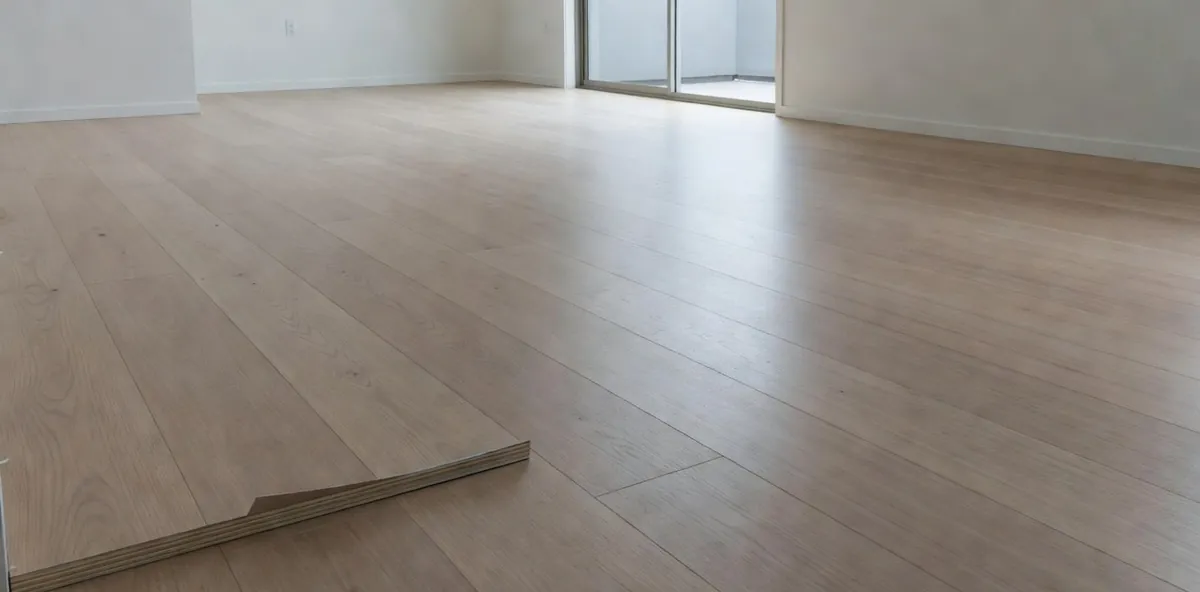
An engineered board is a thin layer of real timber bonded to a plywood or high-density core. That top layer is the wear layer and it is all there is to sand. Around 6mm takes two or three full sands. About 3mm takes one, carefully. Under roughly 2mm should be recoated rather than sanded, and a click-lock floating floor with a 0.6mm veneer cannot be sanded at all.
How to find out what you have
Lift a vent or a threshold and look at the edge of a board — the layers are visible, solid timber on top and a cross-banded core beneath. Failing that, the original invoice or the product name usually gives it, and most manufacturers publish the wear layer thickness. A sander who says they will 'have a look on the day' is guessing with your floor.
Why Sydney apartments are full of it
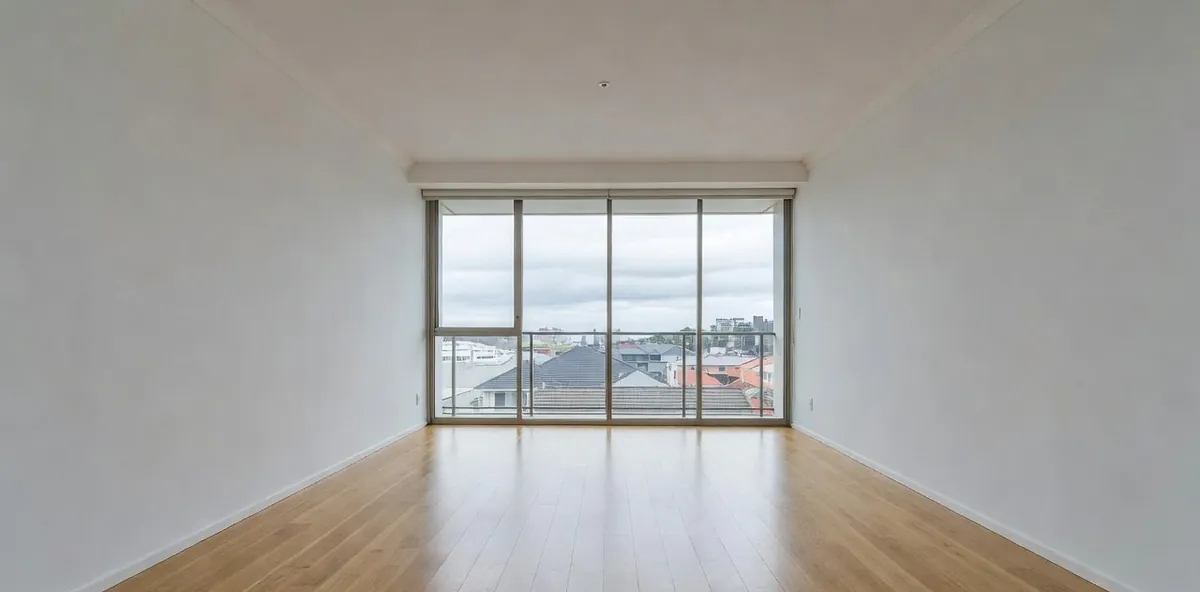
Engineered board is the default in apartment fitouts because it moves less than solid timber and because it can be laid over acoustic underlay to meet a strata by-law. That is a genuine advantage and it is why most of these floors are sound and only need a recoat. The failure we see is not wear, it is water — a leaking dishwasher or a balcony door, which delaminates the layers rather than staining them.
When it cannot be sanded, and the floor has to come up
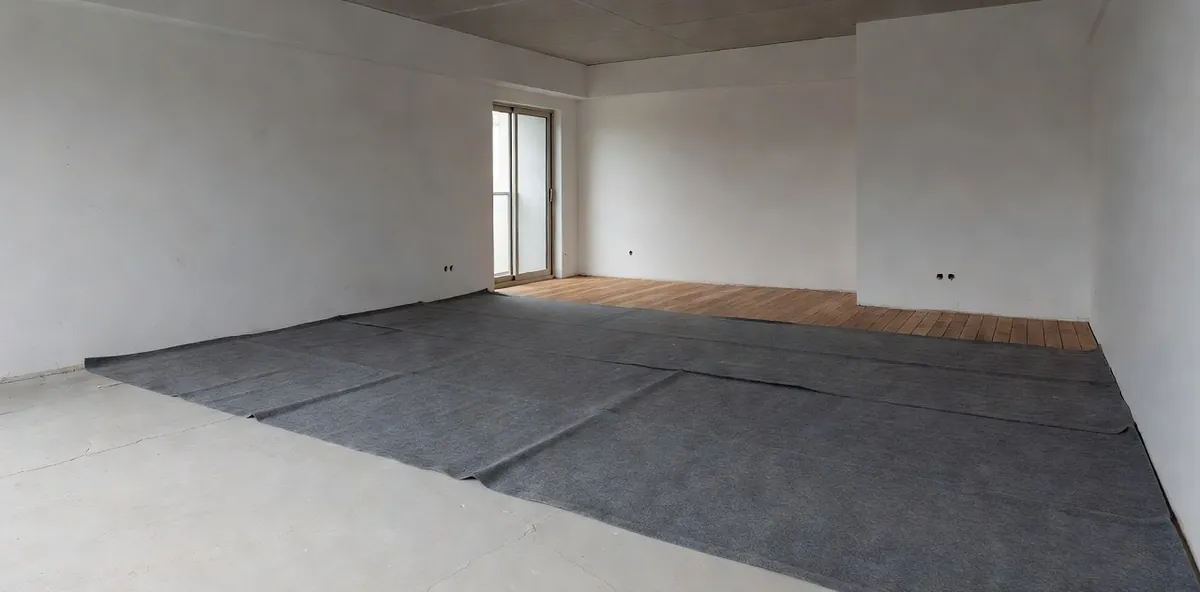
Replacing an engineered floor in a strata building is not the same job as replacing one in a house. Lifting the floor usually means the acoustic underlay comes up with it, and putting a new floor down re-opens the by-law and, in most schemes, the requirement for a test report. Budget for that before deciding between a recoat and a replacement.